
The Value of Restraint
The Deer KingThe story repeatedly asks whether survival requires control, and whether humans can protect life without treating people, animals, or disease as instruments.
increasing Bearing strength in each event
 decreasing
Bearing strength in each eventdecreasingThe Molfah Let Game Escape
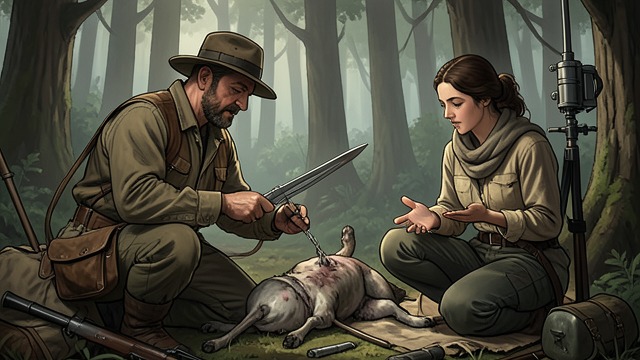
Limits as Stewardship
A hunting rule questioned
Makokan doubts the Molfah custom of dividing prey between men and women. Mulyo explains that their limits allow some animals to escape and help the forest survive.
Efficiency is not the only value
The exchange challenges the assumption that maximizing immediate gain is always wise. Restraint can protect the conditions that make future life possible.
Van Refuses the Pack
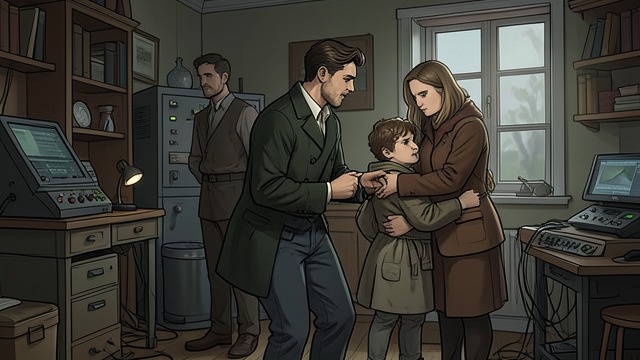
Belonging Held in Check
The lure of unity
Van feels the Rochai’s shared life as warm and familiar. Their connected movement promises relief from the separation of human thought and grief.
The child anchors him
He captures Yuna instead of following the pack. His restraint is not rejection of animal life but a decision to preserve the vulnerable relationship that depends on him.
Medicine Without Dominion
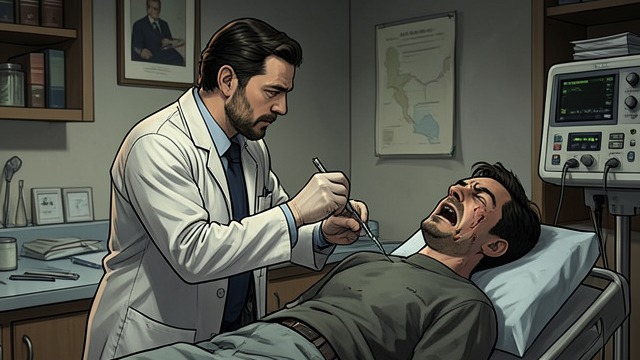
Acting Without Mastery
Intervention has consequences
Physicians use experimental remedies because doing nothing can mean certain death, yet the treatments may produce severe reactions. Neither faith nor science offers complete command.
Care as responsible uncertainty
The ethical task is not to control every outcome but to disclose risks, seek consent, and keep trying without confusing hope with certainty.
During the visit to the tracker settlement
During the corral attack
During the outbreak treatment
